Comparison
Syrenis vs Didomi, side by side
Both are specialist consent and preference platforms, so this isn't the usual specialist-against-suite choice. The difference is where each one puts its depth.
Built around
Consent and preferences as a system of record across the whole estate
Consent capture and privacy UX across web, apps, connected TV and ad tech
Preference management
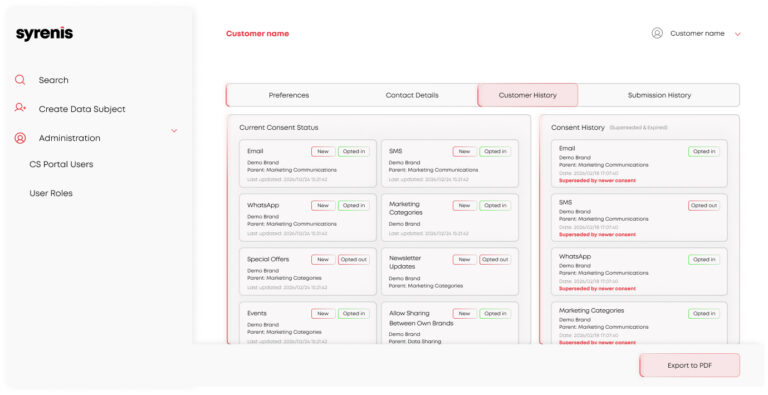
Unlimited channels and preference types, multi-brand preference centers, a customer service portal, email action links and progressive profiling
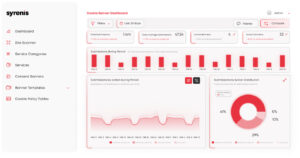
Preference centers, embedded forms and widgets that collect zero-party data, with built-in analytics
Identity
Consent linked to known identities and carried across devices as people sign in
Consent profiles, plus a cross-device feature so users make their choice once
Integrations
350+ integrations, API-first, with changes pushed to CRM, CDP, marketing, data and service systems as they happen
Out-of-the-box connectors, batch export, webhooks and a consents API, with bespoke connectors built on request
Where consent is captured
Web, mobile and server-side
Web, iOS and Android, AMP, Unity, connected TV, Flutter and React Native, plus server-side tagging through Addingwell
Frameworks
IAB TCF 2.3, Google Consent Mode v2 and Global Privacy Control
IAB TCF, GPP, Google Consent Mode v2, Microsoft UET and AWS consent modes, and Global Privacy Control
Implementation
Design phase before anything is configured, then five parallel workstreams through to live service
A UI-based console, a four-step migration framework and a dedicated solutions architect
Pricing
Quote-based. The CMP is priced on monthly unique visitors
Best fit
Regulated, multi-brand organizations where preferences drive CRM, service and marketing decisions
Publishers, media and consumer brands with high web, app and ad tech consent volumes